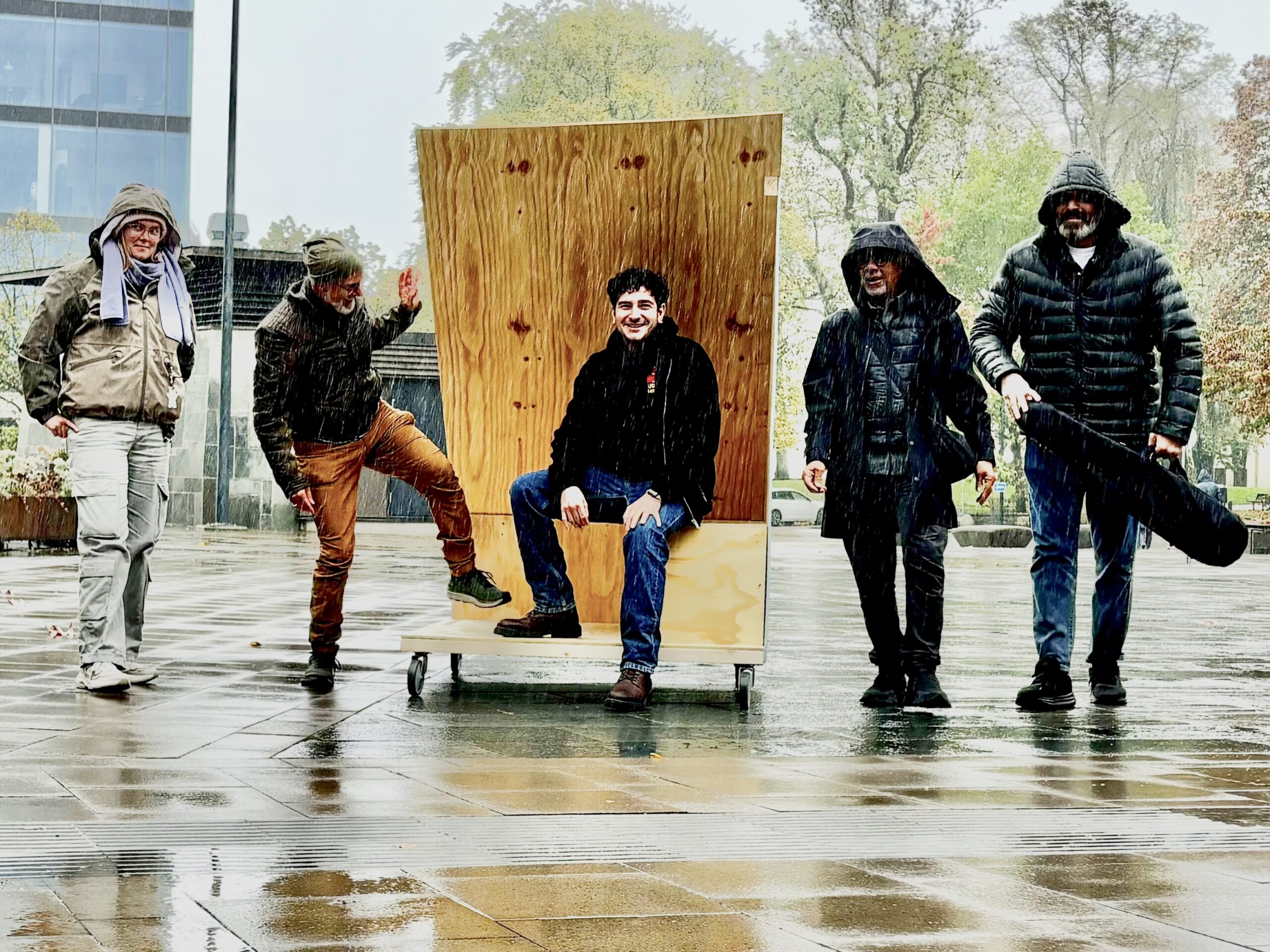
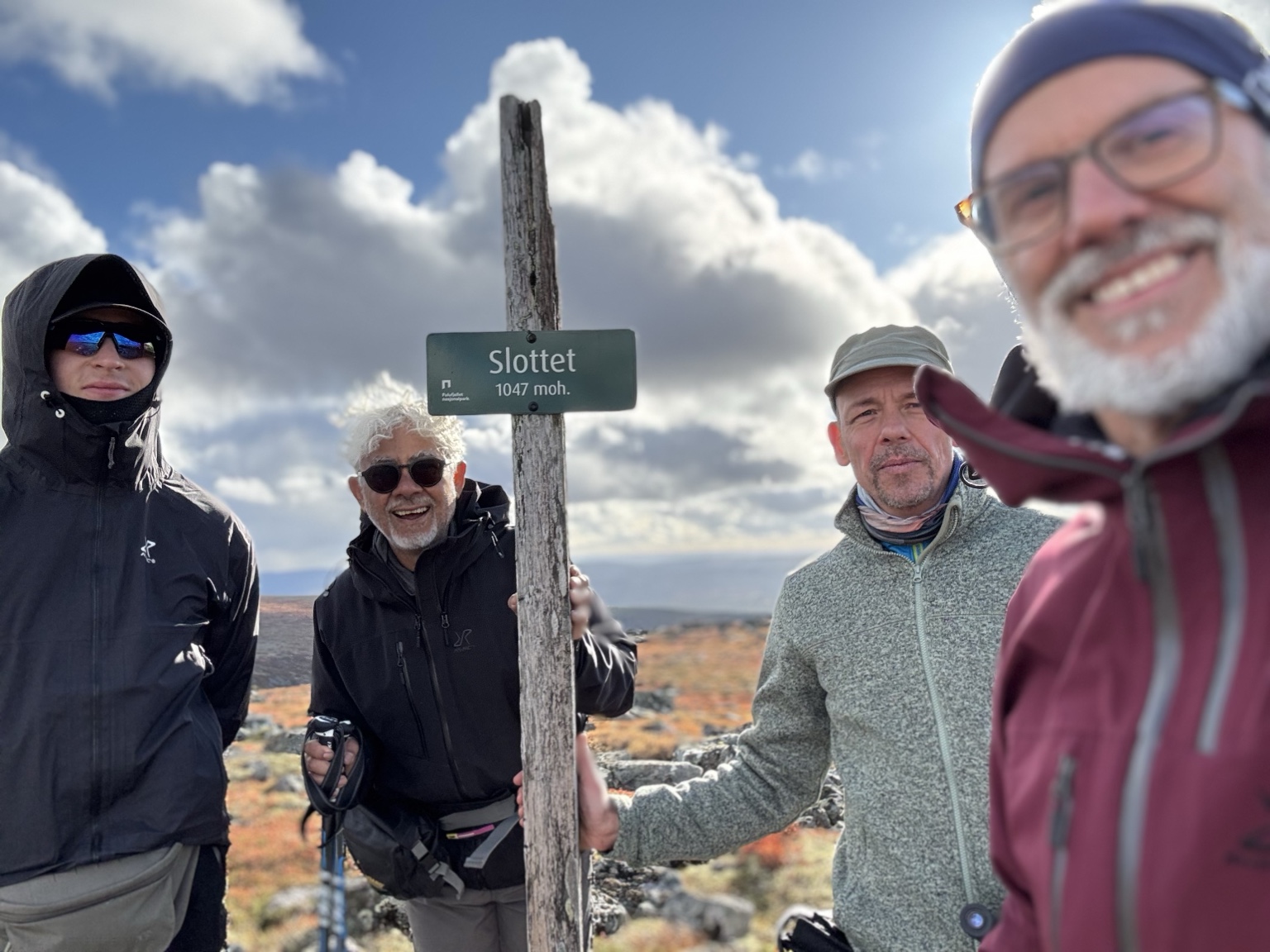
Seven days of hiking. Four men: one couple and two friends with a generation between them who had never met before. And me among them. Starting at Rosa Huset, the Residency Appartment in Skövde, going North…

 1,2
1,2
This is also one of my Walking projects, Footnotes for … Skövde, but this time Hiking as Research. Greetings from Fulufjället National Park, at the southern beginning of the famous Kungsleden, close to the border with Norway.

 3,4
3,4
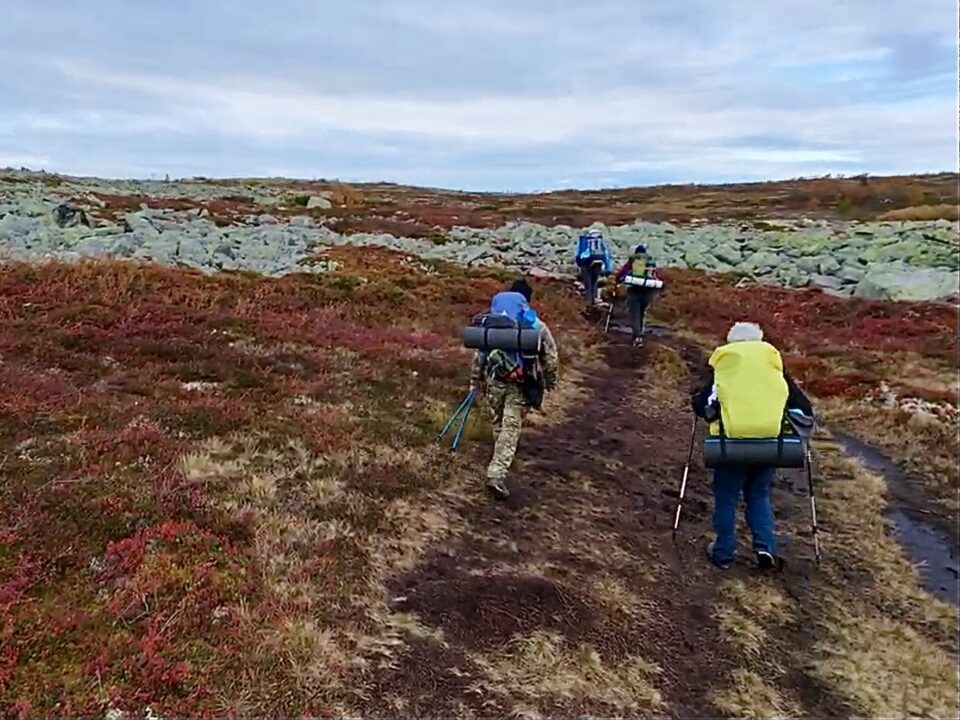
Each of us carries his own weight, and a rucksack with all the necessities for the entire seven days: clothes, sleeping bag and sleeping mat, food supplies, power banks for our energy supply. You pay attention to your own breathing. You learn how far you can still walk without taking a break. You learn the rhythm of the others. And you notice when somebody else is getting tired before he says anything. Interesting to see who walks fast at the beginning and becomes slower later. Who needs a break but does not ask for one. Who turns around.
When you hike for seven days, there is a lot of time for talking. And there is a lot of time when nobody speaks. Both are interesting.


 5-14
5-14
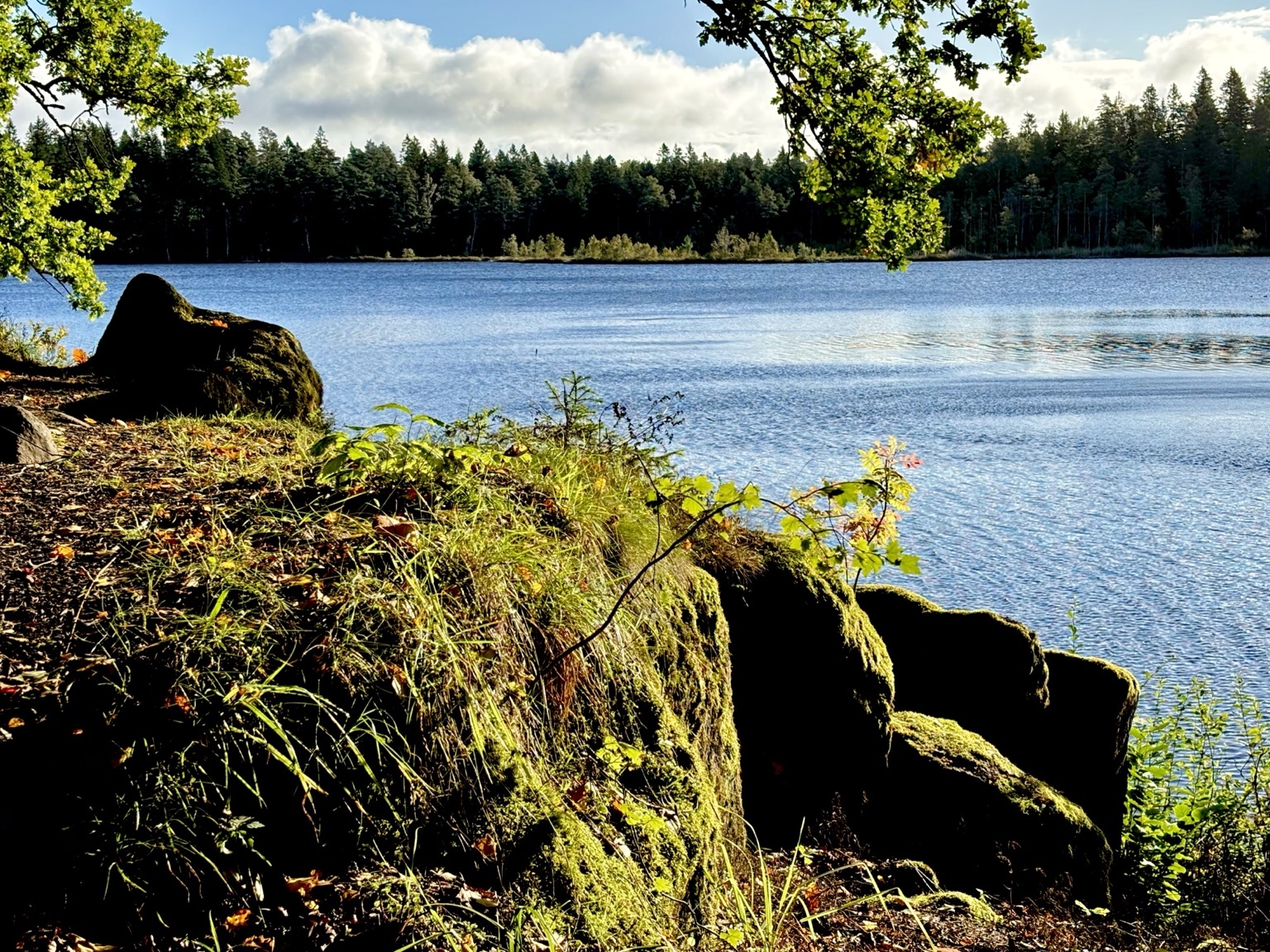
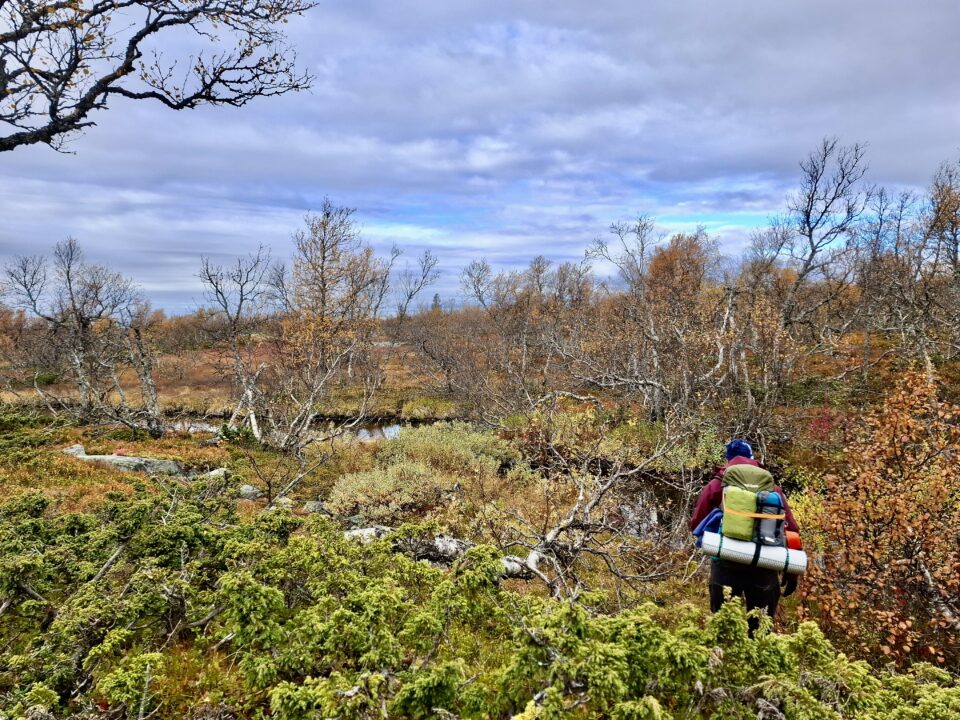
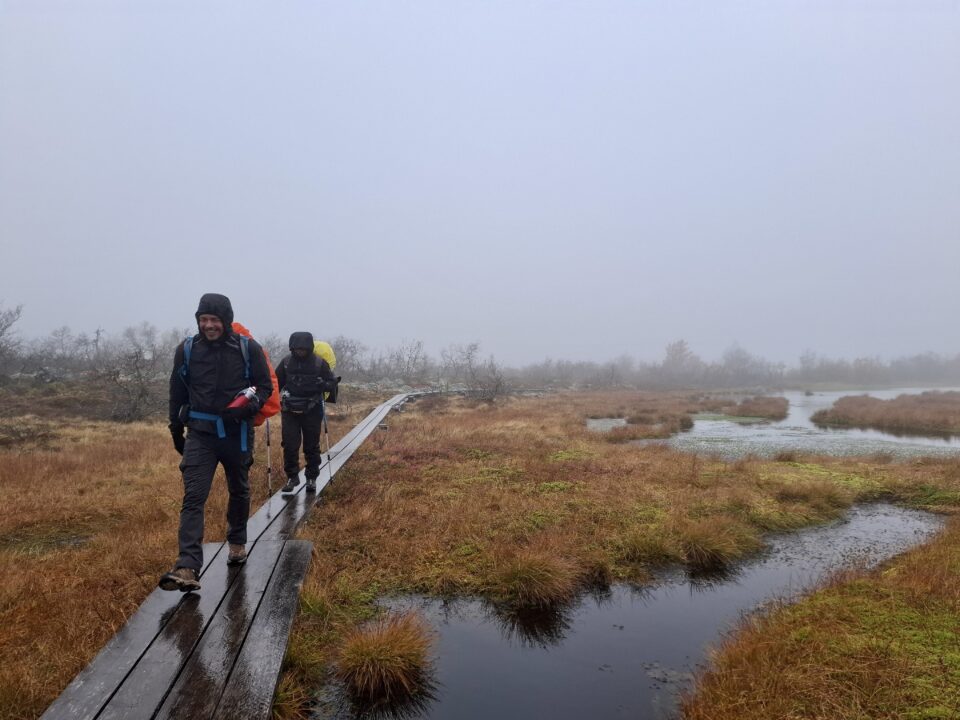
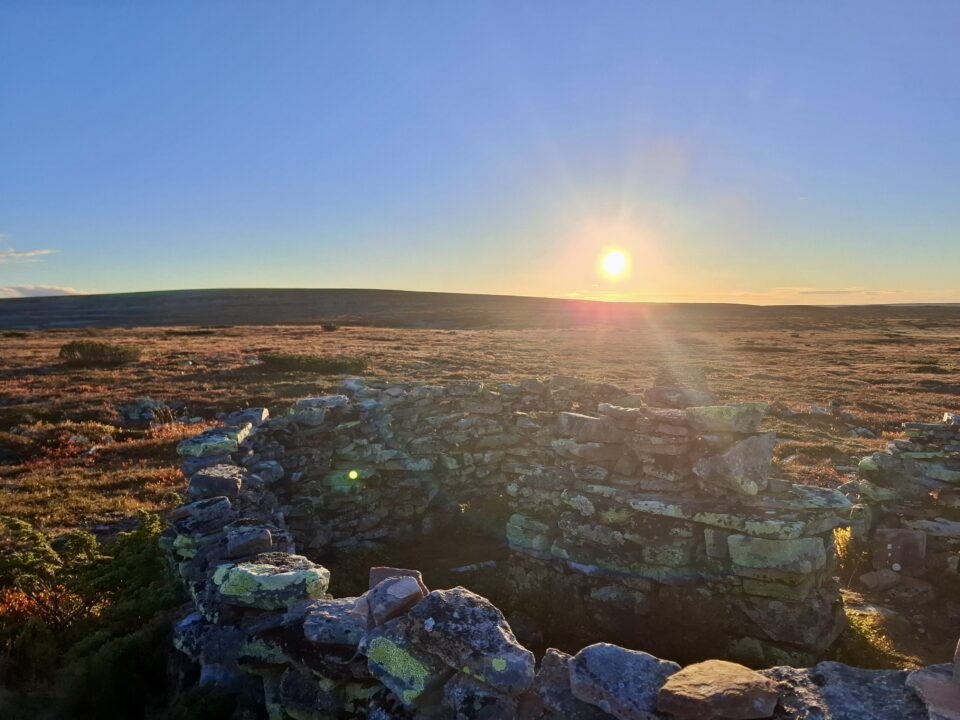
We talked about all kinds of things. About the landscape, of course. We discovered the micro-landscapes of the vegetation, the tree-like formations and bushes, the mosses, the lichens on the rocks. We learnt to distinguish the autumn colours of the blueberry vegetation, which stretched across almost the entire plateau landscape. We speculated about the rich diversity we conquered through this microscopic way of looking, and were fascinated by the vastness of the landscape, which we named ‘Swedish Kazakhstan’.
 15,16
15,16
 17,18
17,18
But we also talked about ourselves. How we had met. What the particular events in our relationships had been through which we had become more familiar with each other. We talked about work. About getting older. About our parents, especially our fathers. We talked while hiking, mostly in pairs, always changing. So the two who had never met before had plenty of time to get to know and appreciate each other.
 19
19
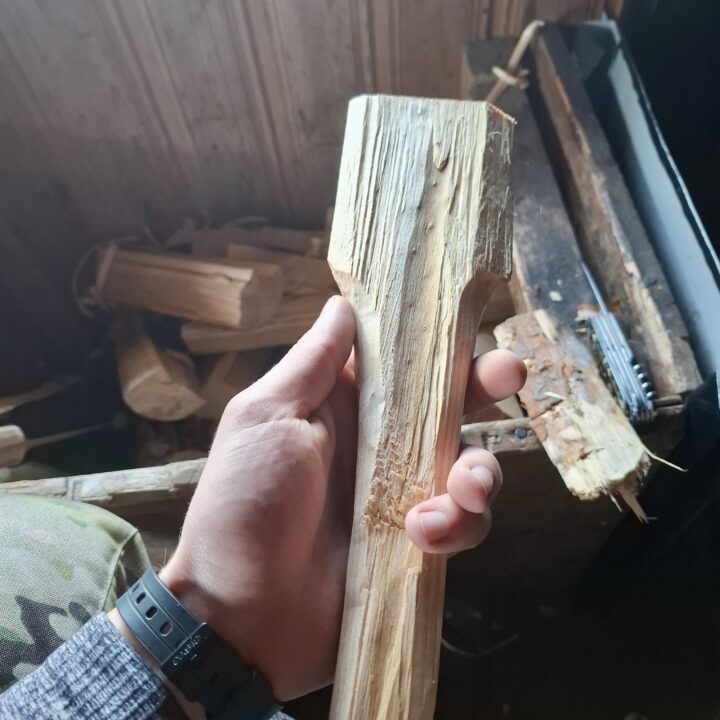
And then one of us came up with an idea: every evening he would ask us a question about masculinity. It sounds simple. But it wasn’t, at least not from the beginning. Later it became easier. The questions opened something up. Sometimes we answered immediately. Sometimes somebody needed a while. Sometimes the answer was completely different from what we had all expected.
What does strength mean to you? When do you feel weak? What did you learn about this from your father? What are you afraid of? What do you find difficult to show? These were roughly the kinds of questions.
There was no rule that we had to answer. Only gradually did the conversations become more fluent. You begin to understand a person differently when you hear what he is proud of, or what he is afraid of. Or what he has never really talked about before.

 20,21
20,21
 22,23
22,23
 24,25
24,25
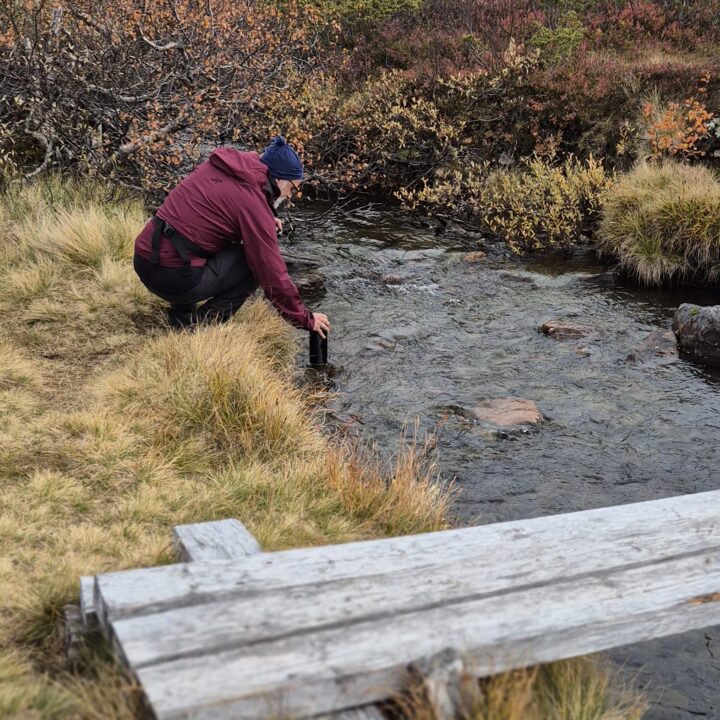
This evening routine, after preparing and eating our meal together and before going to bed early, was a gift for each of us. A great enrichment of the shared experience of hiking. None of us had imagined this. Perhaps except for the one who had come up with this wonderful idea of the questions.

 26,27
26,27
We had a lot of fun together. And we enjoyed ourselves. We joked and teased each other. We messed about like children. Or teenagers. Men, after all. By the end, I was no longer simply hiking with three other men. I knew something more about them. Not so much facts. But much more of the emotional things that connect us, more than ever before.
 28
28
The landscape became part of all this. And so the memory of the landscape changes through the experience of friendship. Through the deepening of our relationships. The landscape is never quite the same when somebody else draws your attention to something in it. You begin to see through the eyes of the other. Through the person you have just come to know a little better.

 29,30
29,30
And then we went to the highest point of Fulufjället. A must for the youngest among us: ‘That’s why I came all this way from Germany!’

 31,32
31,32
 33,34
33,34
A steady, long-lasting, and partly steep ascent. A long day. The moment when the trail suddenly feels twice as hard as it did an hour before. We also showed each other our physical limits. When you hike together, you cannot hide these things very well. And perhaps you don’t have to. There was determination, there was strength, but also weakness. No competition, as one might expect from men, but care. Before reaching the summit, we took a long rest. There are moments when somebody simply depends on the others waiting. And so you are forced to stop yourself. To slow down, to take a break. To recharge your energy reserves. To let the strain of the long way so far fade a little. And also the disappointment of the initially bad weather without any view. We experienced these things each on our own, but also together. The silence, because we were all too tired to talk.
 35,36
35,36
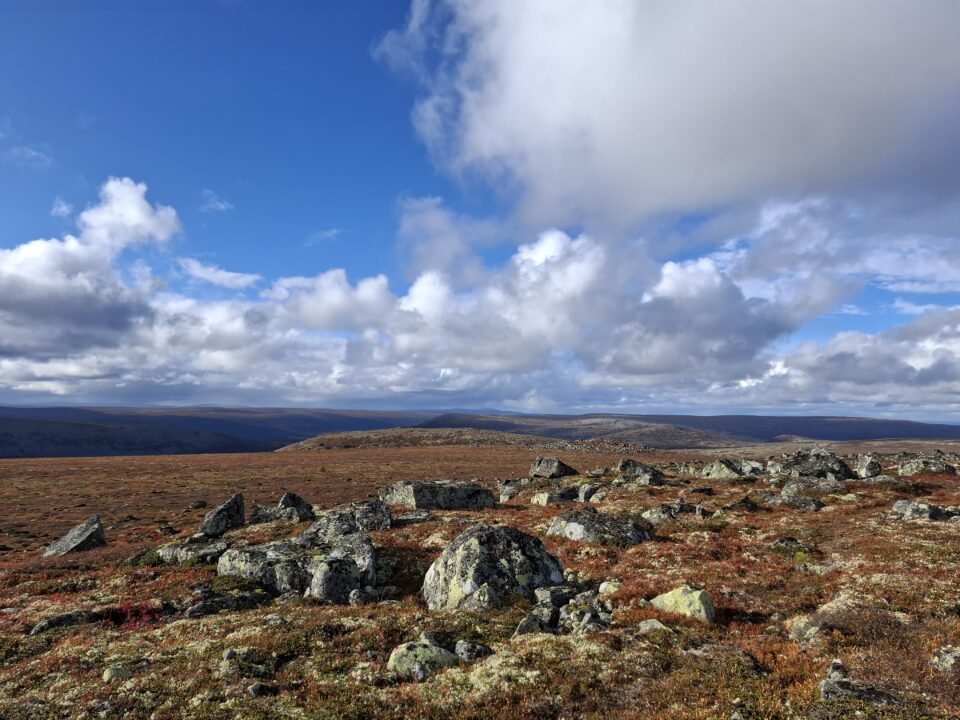
Then the peak. The rocks beneath our feet. The wide 360° views. The changing weather: the solid cover of cloud tore open and a blue window of sunlight gilded the moment of the highest emotions. And perhaps this is what has stayed with me most. Not the distance, the length of the daily hikes. Not the number of metres climbed. Not even the summit itself. The summit was simply the place where we eventually arrived. The more important thing happened on the way. Seven days later, something had changed. Four men moving through a landscape, gradually becoming less separate life stories and more a temporary, very particular community. And a series of questions that made it possible to reach a place that one could never reach by hiking alone.
Another Footnote for Skövde.
 37
37
Photocredits: 2, 4, 15, 16, 21, 35, 36 © Noah Ahrendt, 9, 25 © Marc Wolf, others © Harald Etzemüller